Yield management is a pricing strategy that helps rental operators earn more from the inventory they already own. Instead of charging the same rate every day, you adjust prices based on demand, availability, booking patterns, rental duration, and timing.
The goal isn't simply to charge more. It's to get the best possible return from each available rental unit while keeping prices fair and attractive to customers.
Here's how yield management works, when to use it, and how to put it into practice.
What Is Yield Management Pricing?
Yield management pricing is a strategy for maximizing revenue from a limited amount of inventory.
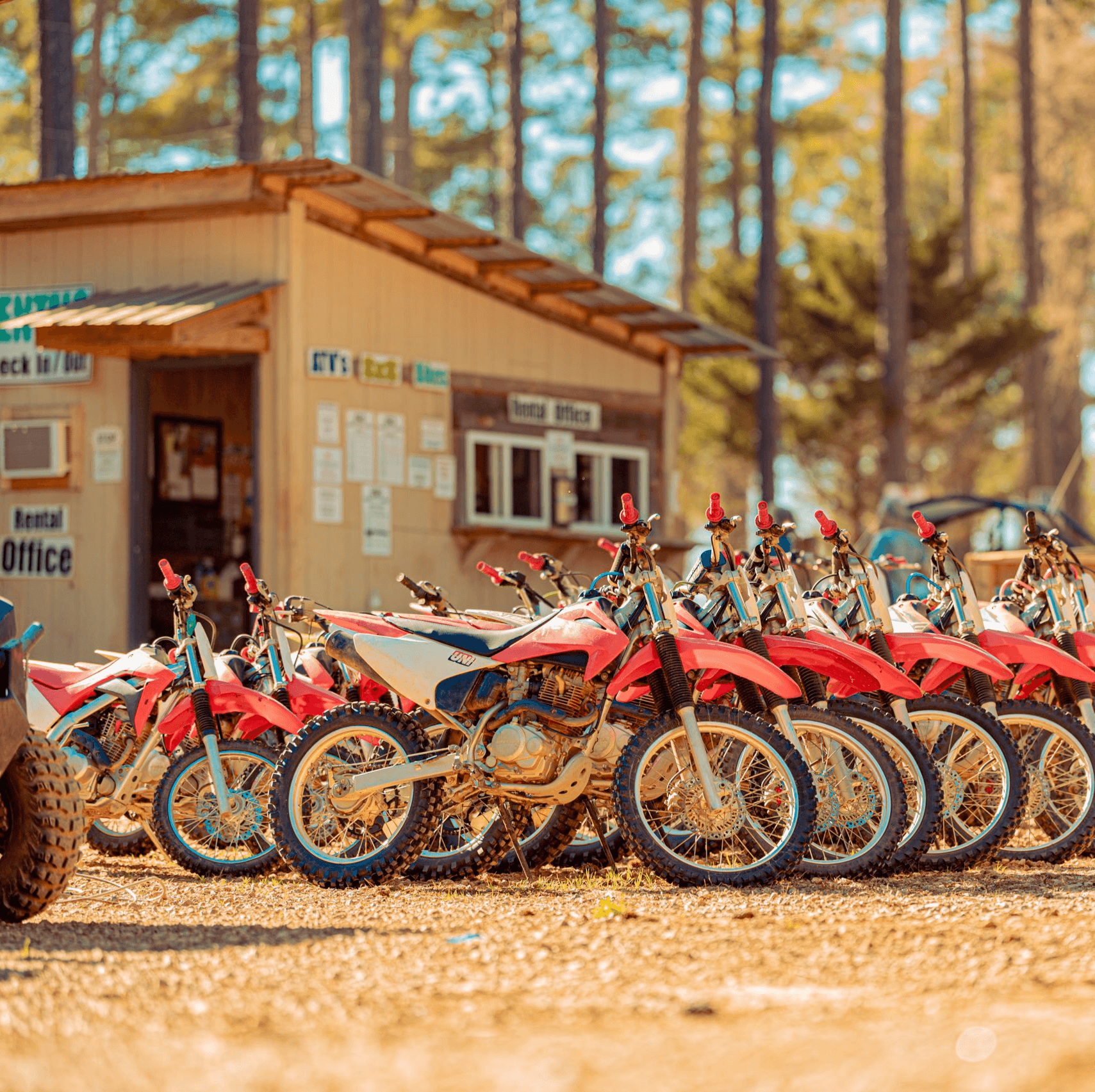
For a rental business, that inventory is your fleet: boats, jet skis, ATVs, UTVs, bikes, trailers, kayaks, or other equipment.
Each unit has a limited number of rentable days or hours. Once a date passes with no booking, that earning opportunity is gone. You can't sell yesterday's unused rental day tomorrow.
Yield management helps you make smarter pricing decisions before that happens.
For example, imagine you rent ten jet skis. On a regular Tuesday, you may have plenty available, so a competitive rate could encourage more bookings. On a holiday weekend, demand may be much higher and only two jet skis may remain available. You may be able to charge a higher rate because customers have fewer options and your remaining inventory is limited.
The underlying idea is simple: match your prices to the demand and availability of your fleet.
Yield Management vs. Dynamic and Seasonal Pricing
These terms are related, but they aren't exactly the same.
Yield management pricing
Yield management is the overall strategy. It looks at revenue, demand, capacity, and rental timing to determine how to get more value from your available inventory.
It can include several pricing methods, such as adjusting weekend rates, offering discounts during slow periods, or setting different prices for longer rental periods.
Dynamic pricing
Dynamic pricing is one way to apply yield management. Rates change in response to factors such as current demand, remaining availability, booking pace, and market conditions.
For example, if your ATV fleet is nearly fully booked for Saturday, you may increase the rate on the remaining units. If several units are still available a few days before a slow weekday, you may offer a limited promotion.
Seasonal pricing
Seasonal pricing adjusts rates according to predictable periods of the year. A boat rental business might charge more during summer and less during colder months.
Unlike dynamic pricing, seasonal rates can often be planned in advance using a calendar.
For a deeper look, read The Complete Guide to Seasonal Pricing for Rental Businesses.
In practice, many rental operators combine all three approaches: seasonal rates establish the calendar, dynamic adjustments respond to changing demand, and yield management guides the overall revenue strategy.
Why Yield Management Matters for Rental Fleets
Rental businesses have a major financial challenge: fleet ownership creates costs whether equipment is rented or not.
You may be paying for financing, insurance, storage, maintenance, licensing, and depreciation even when a unit is sitting unused.
Yield management helps you make better use of that investment.
1. Increase revenue during high-demand periods
When demand is strong and availability is limited, you may have room to raise prices without significantly reducing bookings.
For example, a boat that normally rents for $250 per day might command $300 during a holiday weekend if comparable local demand supports the increase.
The important part is to base the adjustment on actual booking patterns and market conditions—not simply assume every busy date deserves a higher rate.
2. Improve utilization during slow periods
The opposite situation matters just as much.
If your equipment is available but bookings are slow, a targeted discount may encourage customers to rent during periods they would otherwise avoid.
A lower weekday rate, a multi-day promotion, or a last-minute offer can help generate revenue from inventory that might otherwise remain idle.
3. Make better fleet investment decisions
Yield management also helps you understand which equipment earns its place in your fleet.
If certain models consistently book at strong rates while others sit unused, that information can guide future purchasing decisions.
You may discover that adding more of a popular model makes more financial sense than expanding every category equally.
4. Protect your profit margins
More bookings do not automatically mean more profit.
A rental at a heavily discounted rate may not cover the costs associated with preparing, delivering, maintaining, and servicing the equipment.
A good yield management strategy considers both rental revenue and the cost of fulfilling each booking.
5 Factors to Consider When Setting Yield-Based Rental Prices
You don't need a complicated algorithm to start. Begin by tracking a few important signals and using them to guide pricing decisions.
1. Fleet availability
How many units are available for a particular date?
If you have 20 kayaks and only five are booked for Saturday, you have plenty of capacity left. If 18 are already reserved, your remaining inventory is much more valuable.
Track availability by equipment type and date, not just across your entire fleet. A business might have plenty of boats available but be nearly sold out of its most popular jet skis.
2. Booking pace
Booking pace measures how quickly reservations are coming in for a future date.
Compare current bookings with what you normally see at the same point before a rental date.
For example, if you usually have 60% of your ATV fleet booked one week before a holiday weekend but only have 30% reserved this year, demand may be softer than expected. A promotion could help close the gap.
If bookings are arriving much faster than usual, you may have an opportunity to increase rates on the remaining inventory.
3. Seasonality and local events
Demand often follows predictable patterns.
A kayak business may see more bookings during summer weekends. An ATV rental operator may experience increased demand during holiday periods or local off-road events. A ski equipment rental business may have a very different peak season.
Use your booking history and local event calendar to plan ahead.
4. Rental duration
A two-hour booking and a three-day reservation use your inventory differently.
Longer rentals may generate more total revenue per reservation, but they also make equipment unavailable to other customers for a longer period.
Consider how rental duration affects your ability to serve other customers. During peak dates, you may want to set minimum rental periods or adjust multi-day discounts.
5. Competitor pricing
Keep an eye on what similar businesses charge, especially during comparable dates and seasons.
Compare similar equipment, rental durations, included accessories, delivery options, and policies.
Competitor prices provide useful context, but they shouldn't determine your entire strategy. Your operating costs, equipment quality, customer experience, and available inventory all matter.
A Simple Yield Management Pricing Example
Let's look at a simplified example for an ATV rental business.
Imagine you operate ten ATVs with a standard daily rate of $150.
For an upcoming Saturday, you review your reservations:
Ten ATVs are available at the start of the booking period.
Eight are booked several days before Saturday.
Two remain available.
Demand has been stronger than usual for that date.
You decide to increase the rate for the remaining two ATVs to $175.
If both are rented, your revenue looks like this:
| Bookings | Rate | Revenue |
|---|
| First 8 ATVs | $150 | $1,200 |
| Remaining 2 ATVs | $175 | $350 |
| Total | | $1,550 |
At the original $150 rate, all ten bookings would have generated $1,500.
The adjusted pricing generates $50 more for the same number of rentals.
Now consider a slower weekday. If only three of the ten ATVs are booked at the standard rate, you might test a limited $125 weekday offer to encourage additional reservations.
If two more customers book at that price, you generate $250 in additional revenue from equipment that may otherwise have remained unused.
These are illustrative examples, not guaranteed results. Actual performance depends on customer price sensitivity, operating costs, demand, and whether the adjusted rates change booking behavior.
The lesson is that the best price can depend on the date and the inventory you still have available.
How to Start Using Yield Management in Your Rental Business
You can introduce yield management gradually. Start with a straightforward process instead of trying to change every price in your business at once.
Step 1: Establish your base rates
Set a standard rate for each equipment category and rental duration.
Your base rates should account for purchase costs, maintenance, insurance, operating expenses, and the profit you need to make.
These rates give you a starting point for future adjustments.
Step 2: Set minimum and maximum prices
Decide how far rates can move in either direction.
A minimum price protects your margins when demand is slow. A maximum price helps prevent extreme increases that could frustrate customers or damage trust.
For example, you might allow a standard $150 ATV rate to move between $125 and $180, depending on demand and availability.
The right limits depend on your market and costs.
Step 3: Track reservations and availability
Review bookings by equipment type and rental date.
Look at how many units are reserved, how quickly bookings are coming in, and how much inventory remains.
A booking calendar and reservation reports can help you spot patterns that are difficult to see when managing everything manually.
Step 4: Test small pricing adjustments
Start with a few predictable situations.
You could test higher rates for holiday weekends, lower rates for slow weekdays, or different discounts for multi-day rentals.
Change one variable at a time when possible. This makes it easier to understand which adjustments actually improve performance.
Step 5: Measure the results
Don't judge a pricing change only by the number of bookings.
Track revenue per available rental day, utilization, average booking value, and the profit contribution of each rental.
If a lower price fills more units but reduces total revenue or creates extra operating costs, it may not be a good strategy.
Review your results regularly and adjust your rules based on what the numbers show.
Metrics Every Rental Operator Should Track
A few basic measurements can make yield management much easier.
Fleet utilization rate: The percentage of available rental time that equipment is actually rented.
Average daily rate (ADR): The average rental revenue earned per rented unit-day.
Revenue per available unit-day: Total rental revenue divided by the number of rentable unit-days available. This combines pricing and utilization into one useful measure.
Booking pace: How quickly reservations accumulate before a specific rental date.
Average booking value: The average revenue generated per reservation.
For example, if a business has 10 ATVs available for 30 days, it has 300 available unit-days. If those ATVs generate $18,000 in rental revenue during that period, revenue per available unit-day is $60.
This doesn't mean every ATV earns $60 each day. It is an overall measure that helps you compare performance across periods.
Manage Fleet Pricing and Reservations with Renta
Yield management depends on having accurate information about your inventory, reservations, rental dates, and pricing.
When those details are spread across spreadsheets, phone calls, and separate calendars, it becomes harder to recognize booking trends and make timely decisions.
Renta helps rental operators manage their equipment, online bookings, availability, payments, and rental operations in one platform. You can organize inventory, manage different rental durations, and keep reservation information easier to review as your business grows.
For operators managing boats, ATVs, jet skis, bikes, kayaks, or other rental equipment, having a clear view of bookings and availability provides a stronger foundation for making pricing decisions.
Explore Renta's rental management platform to see how you can simplify bookings and fleet operations.
Final Thoughts: Use Pricing to Get More from Your Fleet
Yield management pricing isn't about constantly raising and lowering rates. It's about understanding when your equipment is most valuable, when demand needs a boost, and how to earn more from the fleet you already own.
Start with clear base rates, track availability and booking pace, and test small adjustments during predictable high- and low-demand periods.
Over time, your booking history will help you make more informed decisions about pricing, fleet utilization, and future equipment purchases.
The result is a rental business that makes better use of its inventory, responds to customer demand, and has a clearer path toward stronger revenue.